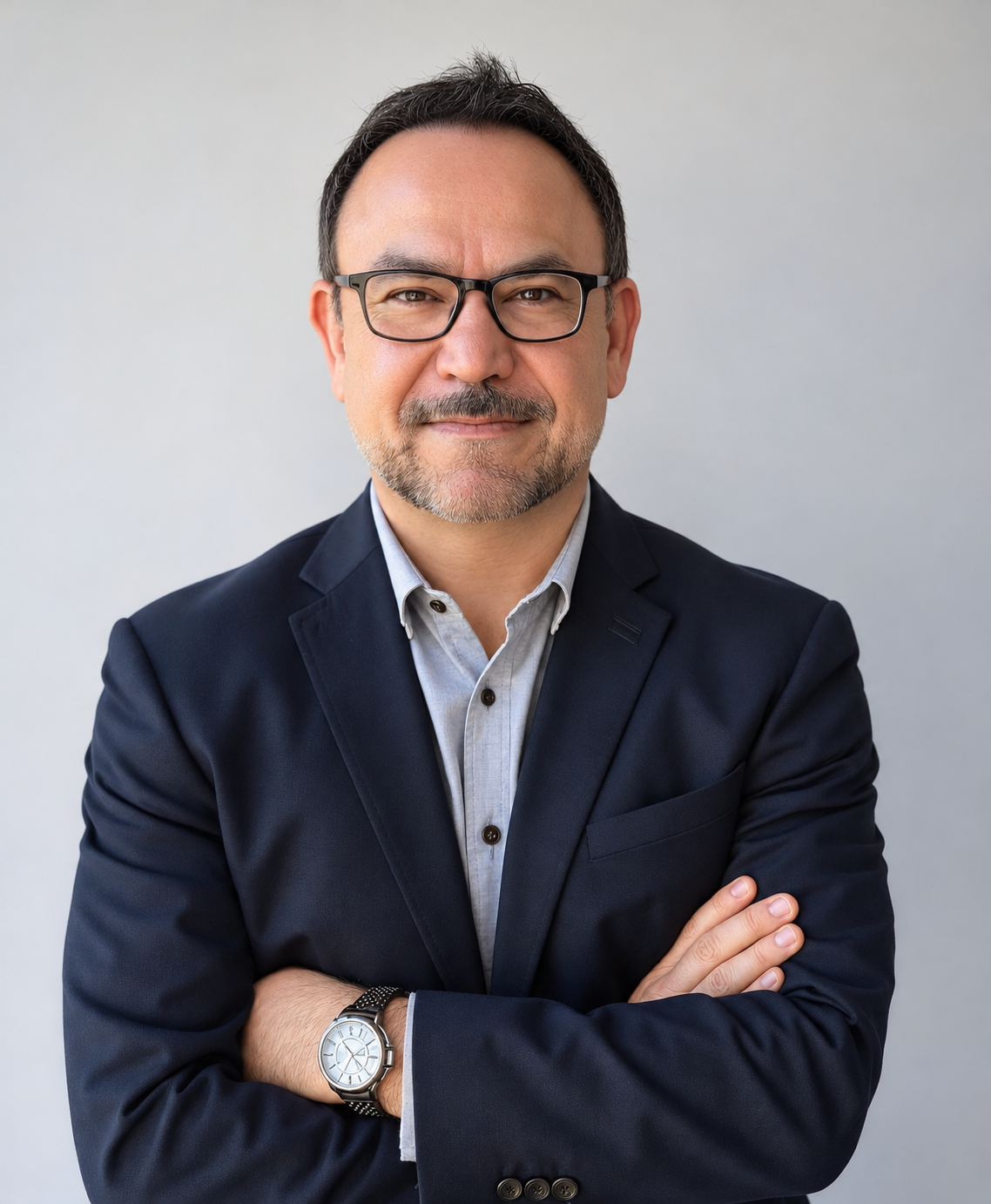
This time of year always brings back memories for me. Some of my strongest recollections of the holidays come from places very far from home, when I was serving in the U.S. Air Force. I remember one remote assignment in Okinawa, Japan. Many of us were barely out of our teens, sleeping in tents, dealing with the rain and cold, and running across muddy fields as we went about our days. We were doing our best to make the holidays feel like the holidays, but we knew what was missing: our families, familiar traditions, the food, and all the little things we probably hadn’t appreciated enough until they weren’t there.
And yet, somehow, the spirit of the holidays traveled with us. What I remember most was the local Okinawan families we met along the way. Those families celebrated differently than we did, but they understood what we were missing. They welcomed us, fed us, included us in their traditions, and found ways to make a bunch of young Americans far from home feel cared for.
Years later, I found myself in a very different place in life, asking a different kind of question. Early in my program at the Harvard Extension School, I wasn’t yet sure how far I could take it or where the experience might lead. Earning a Harvard degree for the sake of having one wasn’t enough for me. I wanted the experience to have a larger purpose. I wanted what I was learning to change how I thought, help me see things differently, and ultimately lead to something good.
One of the people who helped me begin to see that possibility was Professor Mark Esposito. His classes challenged how I thought about complex problems, institutions, and the way different parts of a system affect one another. They also pushed me to question some of my own assumptions and see familiar problems differently. Those classes helped shape the way I think today.
Something else happened as I became more comfortable navigating HES. I began meeting other students who were trying to balance many of the same things I had: careers, families, responsibilities, and the rigor of Harvard classes. I found myself having conversations with them about how to manage it all and how to navigate Harvard. I began coaching and mentoring students where I could, sharing what I had learned and, just as importantly, listening. Those relationships became another important part of my HES experience.
What HES came to mean to me is part of why I continue to give my time to Harvard today. Serving on the Harvard Extension Alumni Association Board gives me an opportunity to contribute to a community that has given me a great deal and to help strengthen the connection between HES and the alumni who continue to be part of its story. I want others to find their own reasons to stay connected, contribute, and help shape what this community can become. I also serve as an officer with the Harvard Veterans Alumni Organization, another community that is deeply meaningful to me. In both, I have found that giving back is less about the position you hold and more about what you choose to do with the opportunity.
Perhaps that is why this time of giving still takes me back to those holidays so far from home. The people who welcomed us probably didn’t think they were doing anything extraordinary. They saw some young service members who were far away from their families and offered what they had. I couldn’t tell you the names of everyone who made those days a little easier, and I’m sure many of them never gave those moments another thought. But years later, I still remember how they made us feel.
We don’t always know what another person will carry with them because of something we said or did. A professor may never fully know what a student takes from a class. A mentor may not know which conversation mattered. And someone who opens their home or offers a seat at their table may never know that the person sitting there will remember that kindness decades later.
So, during this time of giving, I’ve found myself thinking less about the question, “How do I give back?” and more about a simpler one: What do I have to give? The answer changes throughout our lives. It may be our time or experience, encouragement, an introduction, a meal, or simply making room for someone else. What those holidays long ago taught me, and what HES helped me understand in a different way, is that what may feel small to us can mean much more to someone else.
